History Sheeter: The Perfect Display Font for Handmade Crafts
When you are running a handmade business or creating digital printables, the right display font can be the difference between a project that looks amateur and one that feels professionally crafted. I have spent years testing typefaces for everything from candle labels to wedding invitations, and finding a typeface that balances charm with commercial utility is always a challenge. That is why History Sheeter has quickly become my go-to choice for projects that need a relaxed touch without sacrificing readability.
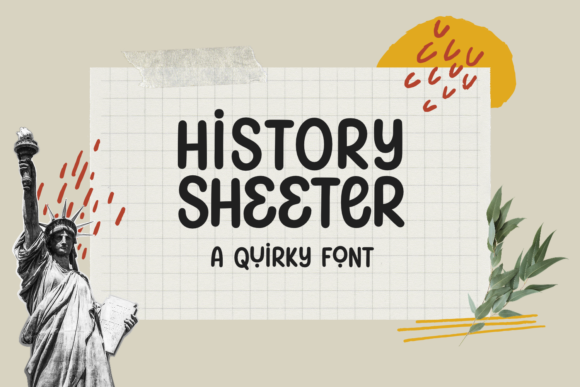
This creative font brings a distinct personality to any design. It is cute, quirky, and undeniably friendly. Unlike rigid serif fonts or overly formal typefaces, History Sheeter invites the viewer in with its informal style. Whether you are designing SVG files for Cricut or Silhouette machines, printing stickers for your Etsy shop, or creating custom packaging, this typeface adds an immediate sense of warmth and approachability. It is not just about looking good; it is about making your brand feel human and accessible.
Bringing Character to Product Labels and Packaging
In the world of physical products, first impressions happen instantly. When a customer picks up a jar of homemade soap or a bag of artisanal coffee, the typography on the label sets the tone. History Sheeter excels here because its casual vibe suggests quality without trying too hard. It works beautifully for boutique tags, product packaging, and mugs where you want to convey a story.
I often use this typeface for short phrases, names, and titles on product labels. The letterforms are designed to stand out, ensuring that even on small stickers or narrow tags, the text remains legible. For example, imagine a set of farmhouse-style signs or holiday product packaging featuring the words "Handmade with Love" in History Sheeter. The font's unique curves give it a nostalgic yet modern feel that resonates with buyers who appreciate craft.
When designing for print, the weight and structure of the letters matter. History Sheeter is robust enough to hold up well when printed on various materials, from kraft paper to glossy cardstock. It helps establish a consistent brand identity across different items. If you sell a range of goods, using this font on your business cards, invoices, and shipping boxes creates a cohesive look that customers will recognize and trust.
Perfect for Invitations, Stationery, and Event Design
For stationery designers and invitation creators, the emotional connection of the typography is paramount. History Sheeter is ideal for wedding stationery, birthday party invitations, and greeting cards. Its friendly nature makes it perfect for welcoming guests or celebrating milestones. You might use it for a "Welcome Home" sign at a baby shower or a "Happy Birthday" banner for a child's party.
The font's informal style allows it to fit seamlessly into rustic, vintage, or bohemian themes. It pairs exceptionally well with floral illustrations or watercolor backgrounds, adding a layer of sophistication to the overall design. However, unlike some decorative scripts that can be difficult to read, History Sheeter maintains clarity. This is crucial for event details like dates, times, and locations, which must be easily understood by all guests.
For digital download creators, this commercial font offers immense value. You can create printable wall art, planner pages, and quote prints that appeal to a wide audience. The versatility of the font means you can use it for both bold headlines and slightly smaller subheadings, provided the text length is appropriate. It is best suited for display use rather than long paragraphs of body text, allowing you to focus on impactful messaging.
Optimizing Readability for Cutting Machines and Small Formats
One of the most practical concerns for crafters using cutting machines is how a font behaves when scaled down or cut into intricate shapes. History Sheeter handles these scenarios surprisingly well. Its open counters and distinct character shapes prevent the ink from bleeding too much on printed cards or the blade from getting stuck on small stickers.
When preparing files for vinyl cutting, ensure you check the included styles and alternates if available. Some versions of similar fonts offer swashes or ligatures that can enhance the design, but for small-scale applications like bottle caps or keychains, sticking to the standard characters often yields the cleanest result. Always test your designs on a mockup before sending them to production. A quick preview on a mug or tote bag can reveal spacing issues that might not be obvious on a computer screen.
Strategic Font Pairing for Professional Results
To elevate your designs further, consider how History Sheeter interacts with other typefaces. Because it is a display font with such a strong personality, it shines when paired with a clean sans serif font or a simple serif font. This contrast creates visual hierarchy and ensures that your designs do not look cluttered.
For instance, you might use History Sheeter for the main title of a poster or a product name, and then pair it with a minimalist sans serif for the description text. This combination provides the best of both worlds: the emotional appeal of the display font and the functional clarity of a utilitarian typeface. Alternatively, pairing it with a delicate script font or handwritten font can create a dynamic, layered look suitable for romantic invitations or artistic posters.
Think about the message you want to send. If you are aiming for a modern, trendy aesthetic, a bold display font like this one combined with geometric shapes works wonders. If you are targeting a more traditional market, a classic serif pairing grounds the whimsical nature of History Sheeter. The key is balance. Let the font do the heavy lifting for the headline while letting the supporting text handle the information.
Navigating Licensing and Commercial Use
As a creator selling physical products, templates, and digital downloads, understanding font licensing is essential. Before incorporating History Sheeter into your inventory, review the specific license terms provided by the foundry. Most premium fonts come with a commercial license that allows you to use the typeface in end products for sale, such as printed shirts, mugs, and signage.
However, there are often restrictions on redistributing the font file itself. You generally cannot resell the font as a standalone digital asset unless you have a specific extended license. Be sure to check if the license covers web design, social media graphics, and client work. Many creators overlook these details, leading to potential legal issues down the line. By securing the proper rights, you protect your business and ensure peace of mind while you focus on creating beautiful designs.
Ultimately, History Sheeter is more than just a collection of letters; it is a tool for storytelling. Whether you are crafting a single item or building a full brand ecosystem, its friendly and quirky nature helps you connect with your audience on a deeper level. By choosing the right design assets like this, you elevate your work from simple crafts to memorable experiences that customers love to share.